Recycling and Sustainability at Gardeners Bermondsey
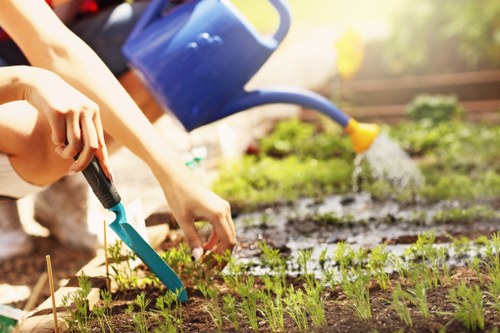 Gardeners Bermondsey is committed to creating an eco-friendly waste disposal area and a practical, attractive sustainable rubbish gardening area for local green spaces. Our approach blends municipal best practice with hands-on horticultural experience so that pruning, soil, and plant waste are handled responsibly. We aim to be an exemplar of neighbourhood-level circularity: diverting organic material from landfill, increasing reuse, and supporting local charities with useful salvage. The page outlines our targets, partnerships, and the everyday steps we take to reduce carbon and cut waste.
We have set a clear, measurable recycling percentage target: achieving a 70% recycling and reuse rate for all materials we collect and generate within two years. This target includes compostable garden waste, bulky timber, plastics from packaging, and metals. It complements the borough's approach to waste separation — dry recycling, organics/food, and residual streams — and aligns with Southwark and neighbouring boroughs' policies to improve source segregation and recovery of green waste.
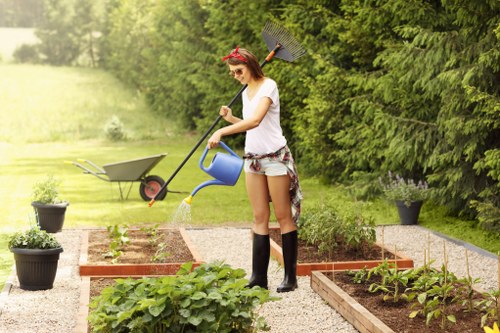 Our work area is designed as an eco-friendly waste disposal area that separates streams at the point of collection. We operate clearly marked bays for compostables, salvaged soil and turf, untreated timber for reuse, and general recyclables. Volunteers and staff use simple, consistent signage reflecting the boroughs' separation categories to make it easy for contractors and the public to drop off correctly. That clarity reduces contamination rates and increases the quality of material sent to secondary processing.
We collaborate with local transfer stations and material recovery facilities (MRFs) to keep transport cycles short and emissions low. Key transfer stations serving Bermondsey and Southwark include communal hubs where sorted green waste and dry recyclables are aggregated and dispatched for processing. By routing material through these local stations, we minimize haulage miles and improve turnaround for reprocessing, composting, or reuse.
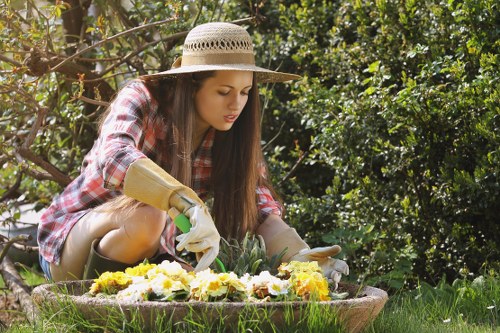 Partnerships are central to our sustainable rubbish gardening area model. We work with charities and social enterprises that accept garden materials for community composting, habitat restoration, and training programmes. These partnerships create a circular benefit: wood offcuts become raised beds, green waste becomes community compost, and salvageable materials are repurposed in local projects. Our charity partners also offer work placements and upskilling for residents interested in green careers.
To further reduce emissions we operate a small fleet of low-carbon vans. These are primarily electric and plug-in hybrid vehicles used for short-radius collections and transfers to nearby stations. We employ route optimization software, consolidated pick-ups, and scheduled runs to limit vehicle kilometers. The result is fewer trips, lower fuel use, and a direct decrease in particulate and CO2 emissions associated with garden waste management.
Our reuse and recycling activities include targeted actions tailored to urban gardening needs:
- Composting of green and food waste into soil conditioner;
- Separation and onward supply of untreated timber and woodchip for mulch;
- Collection of clean plastics and metal plant containers for municipal recycling streams;
- Recovery and redistribution of second-hand tools and materials to charities.
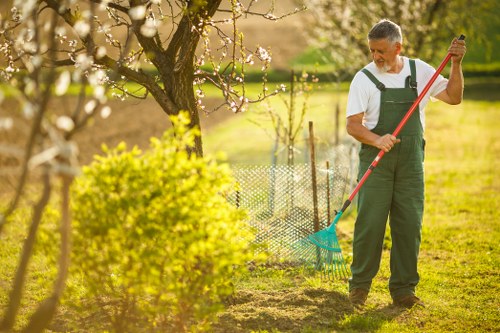 Improving the sustainable rubbish gardening area also means regular monitoring and transparent performance reporting. We track material tonnages by stream, contamination levels, and transport emissions. Monthly reviews with partners and quarterly community updates help us refine the system. Staff training emphasises correct sorting at source and safe handling for volunteer-driven transfer points – reducing waste and increasing the quality of recyclables that reach processing facilities.
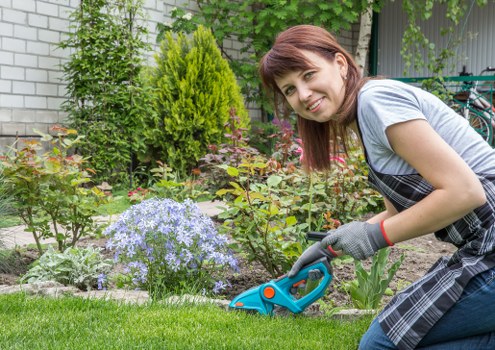 In practice, Gardeners Bermondsey offers a living example of neighbourhood-level circularity: a low-carbon fleet collecting well-separated streams, local transfer stations shortening supply chains, and charity partnerships closing the loop through reuse and community benefit. Our ambition is not only to hit the 70% recycling and reuse target but to foster wider behaviour change — encouraging residents, contractors and other green-space managers to adopt sustainable waste disposal practices that protect biodiversity, save resources, and cut emissions.
How you can support our sustainability goals
Support is simple: separate garden organics from mixed waste, accept and use community compost and reclaimed materials, and promote low-emission collection where possible. We emphasise clear labelling, correct sorting in line with borough guidance on dry and organic separation, and donating salvageable items to our charity partners.
Looking forward
Gardeners Bermondsey will keep expanding its low-carbon operations, deepen collaboration with local transfer stations and MRFs, and strengthen ties with charities to turn waste into value. With measured targets, ongoing monitoring, and an inclusive approach to reuse, our recycling & sustainability initiatives aim to make urban gardening both greener and more resilient.
Join us in making the sustainable gardening area the norm: reduce contamination, support reuse, and champion low-carbon collection for a healthier Bermondsey.

